Last updated: March 13, 2026
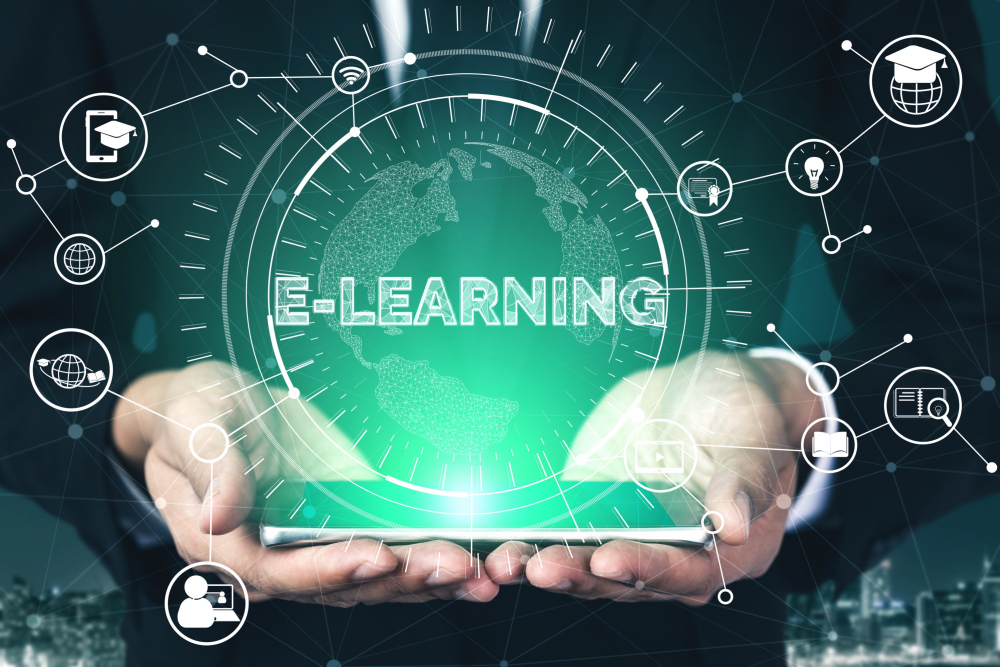
Empowering learners through educational technology is an urgent necessity. With industries transforming rapidly, lifelong learning has become a cornerstone for personal and professional development. Education technology, or EdTech, stands at the forefront of this transformation, playing a crucial role in bridging the digital divide. The gap between those with access to digital tools and those without can perpetuate inequality, but EdTech initiatives aim to level the playing field by providing access to quality education and empowering all learners, regardless of their location or socioeconomic status.
Access to technology varies widely across communities, creating digital divides that can disadvantage many individuals. In underserved and remote areas, the lack of access to digital resources has hindered educational opportunities. EdTech has the potential to address these gaps by making learning accessible to all. Online courses, virtual libraries, and digital classrooms are becoming increasingly available, offering students from all backgrounds a chance to engage with educational content. By leveraging internet connectivity and digital devices, education technology can provide learners with early exposure to critical skills needed for future employment.
Digital literacy is essential in today’s technology-driven world, as it empowers learners to navigate digital platforms effectively. To bridge the digital divide, education technology must focus on enhancing digital literacy among students and educators. EdTech tools can offer interactive and engaging experiences that nurture key competencies, such as critical thinking and problem-solving. These skills are fundamental in helping individuals adapt to evolving job markets. By integrating digital literacy into the learning process, EdTech ensures that learners are not just consumers of information but are active participants in the digital ecosystem.
Collaboration between public and private sectors is pivotal for successful EdTech implementations. Governments, educational institutions, and technology companies need to work together to create sustainable solutions that address access barriers. Public policies can incentivize digital infrastructure investments while creating frameworks for equitable technology distribution. Private companies can play a significant role by developing scalable educational solutions and offering funding or resources to under-resourced communities. By fostering collaborative partnerships, the collective impact can extend beyond education, leading to broader social and economic benefits.
Innovative EdTech solutions are emerging to overcome the traditional limitations of educational systems. Adaptive learning platforms personalize education, catering to the unique needs and learning paces of individual students. AI-powered tools can provide immediate feedback and tailor content, ensuring that learners gain mastery over subjects. Additionally, gamification and virtual reality are being utilized to make learning engaging and interactive, especially for younger audiences. These technologies not only bridge educational gaps but also maintain student motivation and interest through immersive experiences.
Addressing the digital divide extends beyond just providing access to technology; it involves ensuring that education delivered is inclusive and equitable. Content should be culturally relevant and available in multiple languages to cater to diverse learner groups. This inclusivity is crucial in addressing the varying educational needs across different regions and communities. Moreover, ongoing teacher training and support are essential for the effective use of EdTech tools. Educators empowered with the right resources and knowledge can better facilitate learning and nurture students’ growth.
EdTech for social good emphasizes the human element in technology-driven education. While advanced tools offer unprecedented opportunities, human insights and empathy remain irreplaceable. The goal is to create lifelong learners who are not only adept at using digital tools but also capable of critical thinking and collaboration. Through comprehensive strategies that encompass technology, collaboration, and inclusivity, EdTech can serve as a catalyst for positive change. By ensuring equitable access to quality education, we pave the way for empowered individuals and foster a more inclusive and equitable global society.
About the Author
