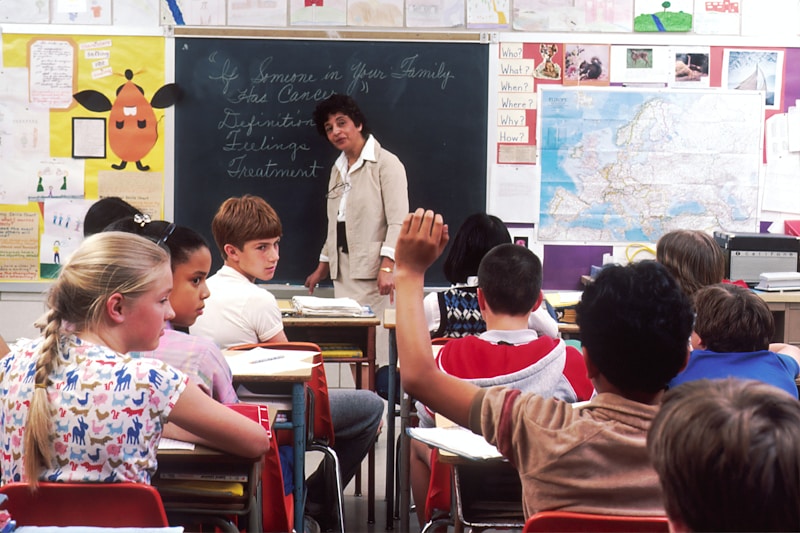
Revolutionizing the Classroom: AI-Powered Virtual Teaching Assistants
Are AI-powered virtual teaching assistants the future of education? The answer is yes. These innovative tools are transforming the way we learn and teach, making education more accessible, effective, and personalized.
The Need for Change
The traditional classroom model has been around for centuries, but it’s no longer sufficient to meet the needs of modern students. With the rise of technology and the internet, students have access to a vast amount of information, but they often lack the guidance and support they need to navigate it effectively. Teachers, on the other hand, are often overwhelmed with administrative tasks, leaving them little time to focus on what matters most – teaching.
The Solution: AI-Powered Virtual Teaching Assistants
AI-powered virtual teaching assistants are designed to support teachers and students in the classroom. These intelligent tools use machine learning algorithms to analyze student data, identify knowledge gaps, and provide personalized feedback. They can also help teachers with tasks such as grading, lesson planning, and student assessment.
The 5 Benefits of AI-Powered Virtual Teaching Assistants
So, how can AI-powered virtual teaching assistants revolutionize the classroom? Here are five benefits:
1. Personalized Learning
AI-powered virtual teaching assistants can analyze student data and adapt to their individual needs, providing a personalized learning experience. According to a report by the eLearning Industry, 71% of students prefer personalized learning experiences, and AI-powered virtual teaching assistants can make this a reality.
2. Increased Efficiency
AI-powered virtual teaching assistants can automate administrative tasks, freeing up teachers to focus on teaching. A study by the Harvard Business Review found that teachers spend up to 50% of their time on administrative tasks, which can be reduced significantly with the help of AI-powered virtual teaching assistants.
3. Improved Student Engagement
AI-powered virtual teaching assistants can make learning more engaging and interactive, using games, simulations, and virtual labs to make complex concepts more accessible. According to a report by EdSurge, 75% of students prefer interactive learning experiences, and AI-powered virtual teaching assistants can provide this.
4. Enhanced Accessibility
AI-powered virtual teaching assistants can make education more accessible to students with disabilities. For example, AI-powered virtual teaching assistants can provide real-time transcription services for students who are deaf or hard of hearing.
5. Data-Driven Insights
AI-powered virtual teaching assistants can provide teachers with data-driven insights on student performance, helping them identify areas where students need extra support. According to a report by ResearchGate, 90% of teachers believe that data-driven insights are essential for improving student outcomes.
Implementing AI-Powered Virtual Teaching Assistants
So, how can you implement AI-powered virtual teaching assistants in your classroom? Here are some practical steps:
- Identify your needs: Determine what tasks you want the AI-powered virtual teaching assistant to perform, such as grading, lesson planning, or student assessment.
- Choose a platform: Select a platform that integrates with your existing learning management system and meets your needs.
- Train the AI: Train the AI-powered virtual teaching assistant on your specific curriculum and teaching style.
- Monitor progress: Monitor student progress and adjust the AI-powered virtual teaching assistant as needed.
Common Mistakes to Avoid
While AI-powered virtual teaching assistants have the potential to revolutionize the classroom, there are some common mistakes to avoid:
- Overreliance on technology: Don’t rely too heavily on AI-powered virtual teaching assistants, as they are meant to support teachers, not replace them.
- Lack of transparency: Make sure students and parents understand how AI-powered virtual teaching assistants work and what data they collect.
- Inadequate training: Provide adequate training for teachers on how to use AI-powered virtual teaching assistants effectively.
Conclusion
AI-powered virtual teaching assistants have the potential to revolutionize the classroom, making education more accessible, effective, and personalized. By understanding the benefits, implementing them effectively, and avoiding common mistakes, teachers can harness the power of AI to improve student outcomes.
Further reading: EdSurge; Common Sense Education
Frequently Asked Questions
What is an AI-powered virtual teaching assistant?
An AI-powered virtual teaching assistant is a software tool that uses machine learning algorithms to support teachers and students in the classroom. It can perform tasks such as grading, lesson planning, and student assessment.
How do AI-powered virtual teaching assistants improve student outcomes?
AI-powered virtual teaching assistants can improve student outcomes by providing personalized learning experiences, increasing efficiency, improving student engagement, enhancing accessibility, and providing data-driven insights.
Can AI-powered virtual teaching assistants replace human teachers?
No, AI-powered virtual teaching assistants are designed to support human teachers, not replace them. They are meant to augment the teaching process, freeing up teachers to focus on what matters most – teaching.
What are the potential risks of using AI-powered virtual teaching assistants?
The potential risks of using AI-powered virtual teaching assistants include overreliance on technology, lack of transparency, and inadequate training. It’s essential to address these risks by implementing AI-powered virtual teaching assistants thoughtfully and responsibly.
About the Author
