Online courses have revolutionized education, offering unprecedented flexibility and accessibility for learners across the globe. This digital shift allows students to access knowledge without the constraints of geographic locations or rigid schedules. Through innovative platforms, learners can customize their educational experience, finding courses that fit perfectly with their personal and professional lives. Whether working a nine-to-five job or handling family responsibilities, studying online empowers individuals to pursue education at their convenience, ultimately enhancing their skills and career prospects without compromising their daily routines.
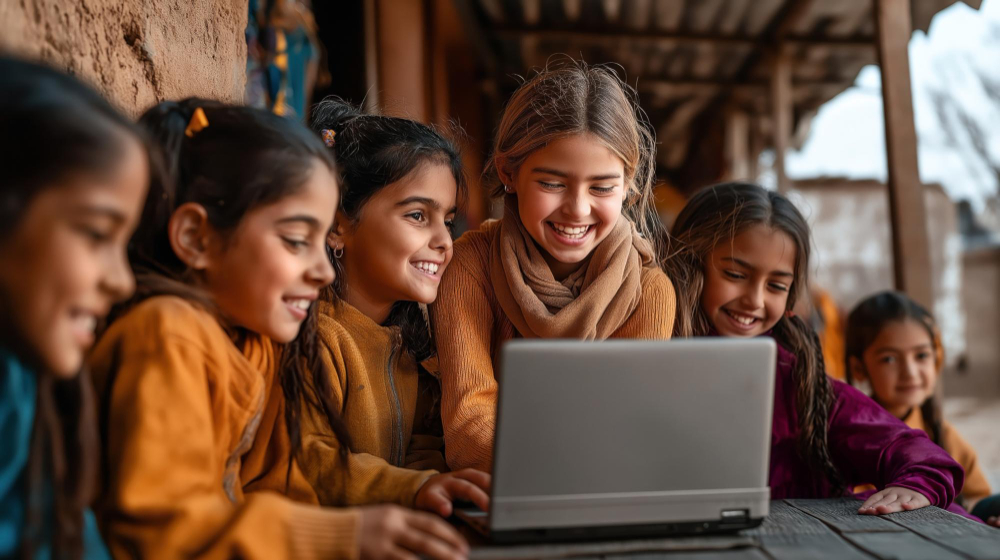
The accessibility of online courses is transformative, particularly for students in remote or underserved areas. Traditional education systems are bound by infrastructure limitations, often leaving students in rural areas without access to quality learning opportunities. Online education bridges this gap, delivering world-class content straight to any device with an internet connection. This digital democratization of knowledge means anyone, from anywhere, can access resources, ensuring that even the most isolated communities are not left behind in the educational journey.
Another critical advantage of online courses is their ability to accommodate diverse learning styles and needs. Traditional classrooms often adhere to a one-size-fits-all approach, which can be detrimental to students who require a different learning pace or environment. Online education prides itself on providing a variety of learning formats, such as videos, interactive quizzes, and discussion forums. Students can revisit the material as needed, ensuring comprehension and mastery before moving forward. This flexibility caters to different learning speeds and preferences, promoting a more inclusive educational experience.
Online courses also open doors for lifelong learning, a critical component in an ever-evolving job market. As industries adapt to new technologies and global trends, skillsets must evolve accordingly. Online education provides adults with the ability to continuously upgrade their skills or branch out into entirely new fields without the disruption of traditional class schedules. This flexibility empowers individuals to remain competitive professionally, aligning their educational pursuits with personal growth and the demands of the workforce.
Furthermore, online courses offer unique opportunities for connecting with a global network of peers and educators. Virtual classrooms bring together students from around the world, broadening perspectives and fostering international collaboration. This global exposure is particularly beneficial in cultivating cultural competence and communication skills, as learners engage with diverse viewpoints and experiences. These interactions enhance the educational experience, preparing students for success in a globalized economy where cross-cultural collaboration is increasingly essential.
The emphasis on technology in online courses equips students with digital literacy skills indispensable in the modern world. Engaging with various digital tools for coursework, communication, and project management sharpens competencies sought after by employers. The virtual nature of online courses naturally integrates technology into the learning experience, ensuring that students become adept with the digital resources and platforms that are integral to contemporary professional environments.
In conclusion, online courses represent a profound shift in how education is accessed and experienced, breaking down traditional barriers associated with time, location, and learning style. By making education more flexible and accessible, online learning catalyzes personal growth, professional advancement, and global connectivity. As the digital landscape continues to evolve, the role of online education will only grow more significant, empowering learners worldwide to unlock their potential and achieve their educational objectives efficiently and effectively.