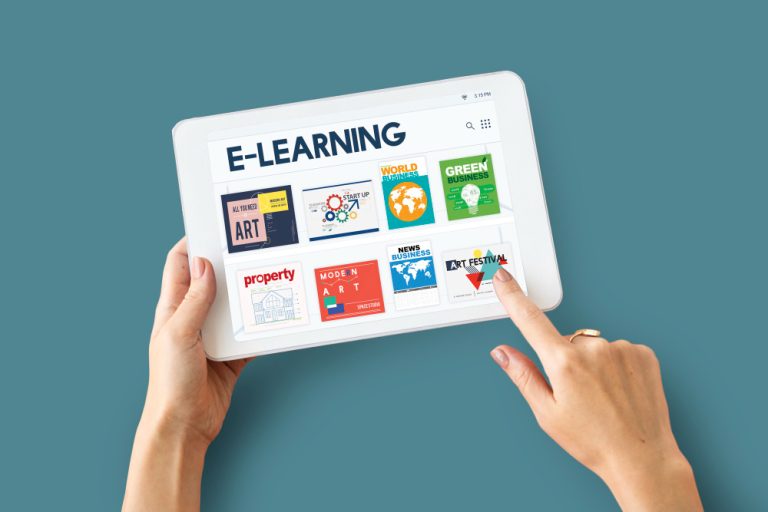
In today’s rapidly evolving job environment, staying relevant is an ongoing challenge. As workplaces adapt to technological advances, professionals are prompted to continuously acquire new skills. Short-term eLearning courses have become a practical solution, enabling individuals to gain specific, targeted competencies sought by employers. These courses, often focused on digital skills, management, and other high-demand areas, provide a fast track for career advancement and enhance earning capacities.
The versatility of short-term eLearning is a significant draw for many. These programs range from coding bootcamps to digital marketing certifications, reflecting the breadth of skills needed in the current job market. This flexibility allows learners to tailor their education to specific career goals. As a result, they can rapidly upskill or even reskill, opening up new professional pathways that align with shifting market demands.
Short-term courses offer a practical solution for new-age talent looking to future-proof careers. By focusing on critical and emerging skills, such programs address gaps quickly, ensuring individuals are equipped to meet contemporary job expectations. Importantly, the efficiency of the eLearning model facilitates ongoing education without the time and financial commitment of traditional degree programs. This access is crucial for those balancing work, education, and personal commitments.
One of the primary benefits of eLearning is the ability to study at one’s own pace. This flexibility means that learning can be integrated into a busy lifestyle, making it an ideal choice for working professionals and recent graduates alike. The self-paced nature allows individuals to delve deeper into topics of interest or quickly grasp essential concepts. Consequently, learners achieve a personalized education experience, driving them towards their professional objectives.
Integration with technology further enhances the allure of short-term courses. Many programs employ advanced learning tools, including AI-driven assessments, interactive content, and virtual simulations, to enrich the educational experience. These tools improve engagement and retention, ensuring students not only learn but are able to apply new skills effectively in the workplace. As technology advances, the quality and interactivity of eLearning will continue to evolve, offering ever-improving educational experiences.
The employment landscape highlights the importance of continuous learning. Employers increasingly value skill-based credentials that demonstrate proficiency in specific areas. Short-term eLearning provides the agility required to adapt to these expectations. By completing these courses, professionals signal to employers their commitment to staying current, thereby enhancing their employability and opening up opportunities for advancement.
As the digital age progresses, the pace of change will likely accelerate, reinforcing the need for ongoing learning. Short-term eLearning courses provide a critical resource, equipping new-age talent with the tools needed to thrive. These programs not only support individual career growth but also contribute to broader workforce agility and innovation. Embracing such learning models, individuals and employers alike can ensure preparedness for future challenges and opportunities.