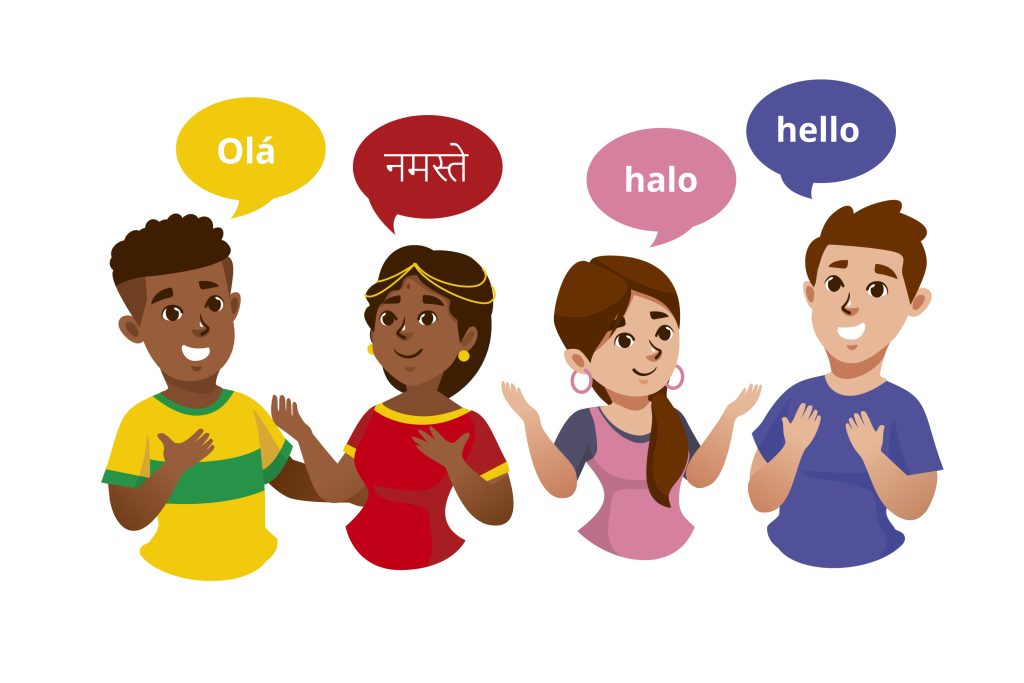
The global landscape of education is rapidly evolving, and eLearning stands at the forefront of this transformation. As technology bridges geographical gaps, the inclusion of vernacular languages in tech education has become not just beneficial but vital. By integrating local languages, educational platforms can harness the potential of diverse learners and pave the way for inclusive global learning ecosystems. Understanding and education go hand-in-hand, and what better way to enhance comprehension than teaching in one’s mother tongue? This approach not only improves understanding but also fosters a deeper, more intuitive grasp of complex subjects, unlocking potential learners who might otherwise struggle with language barriers.
The use of vernacular languages in eLearning taps into the cognitive and emotional connection learners have with their native dialects. Research shows that mother-tongue education enhances memory retention and critical thinking skills, essential qualities for excelling in technology-driven fields. By learning in a familiar language, students build confidence in their abilities, translating into better academic performance and increased creativity. Furthermore, embracing vernacular languages allows for the preservation and celebration of cultural identities, making education a medium for both intellectual and personal growth globally.
Many countries are already reaping the benefits of implementing vernacular-based tech education. In India, edtech platforms are pioneering initiatives to offer courses in dozens of regional languages. These efforts are dismantling the long-standing barriers imposed by language, democratizing access to education, and reaching previously underserved populations. In Africa, where linguistic diversity is vast, eLearning in native languages is not only increasing educational access but also empowering communities by promoting local languages and traditions amid the global eLearning ecosystem.
Cultural localization through language-augmented eLearning methodologies also enhances global engagement. As students learn in their vernacular languages, the integration of culturally relevant examples and case studies becomes possible, optimizing the learning experience. This culturally responsive teaching approach enriches students’ understanding, as it connects theoretical knowledge with real-world applications in a culturally relatable framework. This method helps learners navigate global professional landscapes with a profound understanding of their unique cultural contexts.
The corporate sector stands to benefit significantly from vernacular language-driven education by cultivating a more skilled and diversified workforce. Companies that embrace multicultural, linguistically inclusive training programs in tech skills witness heightened innovation and productivity. Employees trained in their native languages adapt quickly and contribute effectively, fostering an organizational culture that is both inclusive and forward-thinking. Additionally, these companies can effortlessly tap into emerging markets, tailoring their services and products to meet localized demands more effectively through an understanding of diverse cultural nuances.
Global educational policies must prioritize integrating vernacular languages into tech education frameworks to ensure this approach’s sustainable expansion. Collaborations between governments, educational institutions, and tech companies are vital to creating resources and platforms that support multilingual education. Investments in technology that enable seamless translations and cultural adaptations are needed, ensuring vernacular language-driven eLearning is accessible, efficient, and scalable. Moreover, cross-border partnerships can facilitate knowledge exchange, boosting the global education ecosystem.
In conclusion, empowering eLearning through vernacular languages is a global imperative that promises an inclusive, equitable future in education and workforce readiness. By engaging learners in their mother tongues, educational systems worldwide can nurture talents, promote cultural diversity, and foster a more connected global community. Embracing this innovative educational strategy could redefine how societies address educational disparities, providing learners everywhere with the tools necessary to thrive in an increasingly digital world.