The British Council, in partnership with the Central Board of Secondary Education (CBSE), has embarked on a groundbreaking initiative aimed at revolutionizing multilingual education across India. This collaboration was announced at the recent School Education Conference, and it holds the promise of transforming how languages are taught in Indian classrooms. The initiative addresses the increasing need for innovative language teaching methodologies suited to India’s diverse linguistic landscape, ultimately enhancing students’ academic performance and cultural understanding.
In a country as linguistically diverse as India, the ability to facilitate multilingual learning effectively is crucial for educational growth. Amidst India’s plethora of languages, English continues to act as a bridge language in education and employment spheres. The collaboration between the British Council and CBSE is strategically positioned to harness this dynamic by incorporating effective English as a Second Language (ESL) techniques into mainstream education. By focusing on pedagogical strategies that respect and include local languages, the initiative aims to boost students’ confidence and participation.
The partnership’s core objective is to develop resources and teacher training modules that align with multilingual education standards. The British Council brings to this initiative its extensive experience in educational opportunities and cultural exchange, while CBSE offers a deep understanding of the Indian educational fabric. Together, they plan to create a curriculum that not only prioritizes multilingual proficiency but also promotes cultural awareness and inclusivity. Teachers provided with enhanced training can deliver content in more engaging and culturally relevant ways.
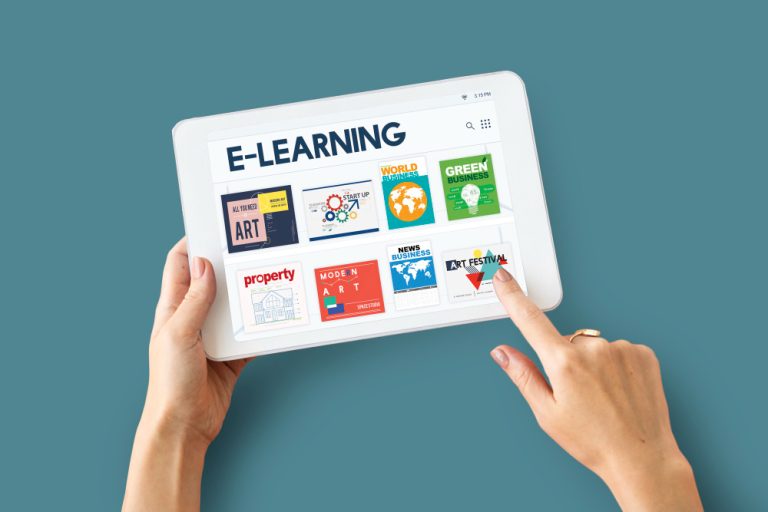
Technology plays a pivotal role in supporting multilingual education, and the British Council-CBSE collaboration leverages cutting-edge digital tools to make language learning more accessible and effective. E-learning platforms and online resources developed through this partnership are designed to offer interactive, student-centered learning experiences. This harnessing of technology addresses challenges such as varied learning paces and preferences among students, providing personalized learning pathways and resources that cater to these diversified needs.
Stakeholder engagement is central to the initiative’s success, focusing on involving educators, policymakers, parents, and students in the dialogue around multilingual education. Workshops, seminars, and stakeholder meetings aim to foster an understanding of the vital role multilingualism plays in educational settings. By aligning goals among these stakeholders, the partnership seeks to create a sustainable model for multilingual education, fostering a more inclusive and globally competitive educational system in India.
This collaboration reflects a broader trend in global education where multilingualism is recognized as an asset rather than a challenge. As educational institutions worldwide aim to prepare students for global citizenship, multilingual competencies are increasingly valued. The British Council and CBSE’s efforts thus not only benefit the Indian education system but also contribute to the global discourse on multilingual education. By developing frameworks that can be replicated internationally, this partnership sets a precedent for similar initiatives across the globe.
In conclusion, the British Council and CBSE partnership is a significant step toward empowering India’s educational landscape through multilingual learning. By equipping students with the necessary language skills and cultural awareness, the initiative prepares them for the challenges of a globalized world. As this collaboration unfolds, its potential impact could extend far beyond enhancing classroom experiences, shaping the future of education to be inclusive, skill-oriented, and culturally coherent on a global scale.