In an era driven by technological advancements and innovative thinking, the Central Board of Secondary Education (CBSE) is setting a visionary course for students in 2025. Recognizing the increasing importance of science, technology, engineering, and mathematics (STEM) in the global landscape, CBSE has announced a robust STEM eLearning vision to equip students with critical thinking and problem-solving skills. This forward-thinking initiative not only aims to enhance educational outcomes but also to prepare students to thrive in an increasingly digital world.
CBSE’s 2025 theme focuses on empowering both students and educators through a comprehensive integration of STEM education into the curriculum. Key to this initiative is the introduction of the 3030 Eklavya online series, a dedicated platform designed to offer students an interactive and engaging learning experience. Access to this platform ensures students can explore STEM subjects in depth, facilitated by digital tools that foster practical problem-solving and innovation. This commitment to digital inclusion marks a significant step toward leveling the educational playing field, providing all students, regardless of geographical or economic barriers, access to high-quality STEM education.
Furthermore, CBSE’s initiative extends beyond online learning platforms to encompass the empowerment of educators themselves. Through Capacity Building Programmes, teachers are equipped with cutting-edge STEM-focused teaching practices. These programs are designed to enable educators to deliver more effective, immersive STEM education, ensuring students gain the proficiency and confidence required to tackle complex, real-world challenges. The development of educators is a cornerstone of CBSE’s plan, acknowledging that the quality of education is intrinsically linked to the skills and knowledge of those who teach.
STEM education fosters creativity, critical thinking, and collaboration, which are essential skills for the modern workforce. CBSE’s vision leverages these strengths to make learning more relevant and connected to future careers. By integrating STEM education early in the academic journey, CBSE aims to cultivate a generation of problem-solvers and innovators ready to contribute to diverse fields such as technology, engineering, and environmental science. Importantly, this initiative also addresses gender disparity in STEM fields, encouraging more female students to participate actively and pursue careers in STEM disciplines.
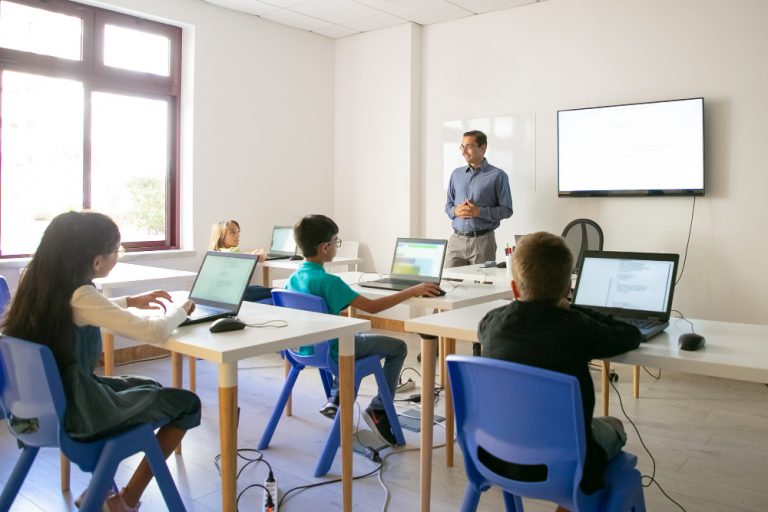
In alignment with global education trends, CBSE’s vision includes partnerships with edtech companies that bring innovative technologies into the classroom. These collaborations will facilitate the creation of a blended learning environment that combines traditional teaching with state-of-the-art digital resources. By harnessing the power of technology, the initiative aims to personalize learning experiences and support differentiated instruction, accommodating each student’s unique pace and learning style. This personalized approach ensures that students are not only prepared academically but are also equipped with the digital literacies needed in a rapidly changing world.
Future-focused policy development is crucial for the successful implementation of CBSE’s STEM vision. This involves revising the educational framework to integrate STEM literacy across all subjects and grade levels. By embedding interdisciplinary connections, students gain a comprehensive understanding of how scientific principles intersect with everyday life and global issues. The aim is to inspire a passion for learning, curiosity, and a lifelong pursuit of knowledge—fundamental attributes in a rapidly evolving world.
CBSE’s 2025 STEM eLearning vision represents a transformative step forward in education, preparing students for future challenges and opportunities. By focusing on student empowerment, educator development, innovation, and inclusivity, CBSE is leading the way in creating an educational environment that aligns with the needs of the 21st century. As India moves forward in a technology-driven world, initiatives like these ensure that students are not only academically equipped but also inspired to become leaders and innovators in their communities and beyond.