Empowering e-learning signifies a revolutionary shift in education. Traditionally, teachers dominated classrooms as the central source of knowledge—lecturing and leading directly. However, this approach often limits student engagement and critical thinking. Enter the paradigm shift: transforming teachers into facilitators of learning, or guides on the side, fostering an environment where students actively participate in their educational journey. In this dynamic, teachers encourage independent exploration, support critical inquiry, and cultivate collaborative discussions. This transformation is imperative for effective e-learning, enhancing educational experiences in a globally connected world.
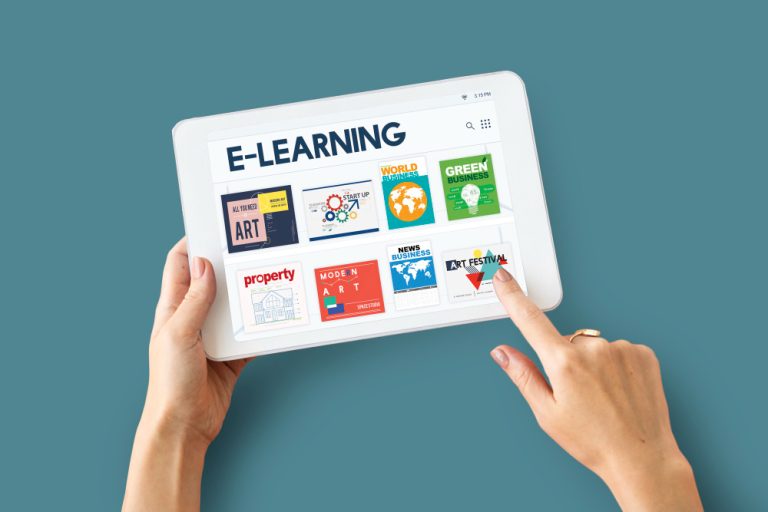
The digital age requires educators to embrace technology, which enables personalized learning experiences. Teachers are no longer the sole knowledge repositories; instead, they curate resources and design engaging e-learning environments. They harness various digital tools and platforms to create interactive and adaptive learning paths tailored to individual students’ needs. This technological integration empowers students to access information readily, collaborate beyond the classroom, and engage with real-world problems. E-learning platforms enable diverse learning styles and paces, accommodating learners more effectively than traditional settings.
In this reconceptualized role, teachers guide students in critical thinking and problem-solving. They pose challenging questions, present authentic scenarios, and encourage learners to construct knowledge actively. Teachers facilitate discussions, inspiring students to question assumptions and explore diverse perspectives. By promoting inquiry-based learning, educators help students develop skills necessary for success in a complex digital world. As guides, teachers take a step back, allowing students to lead conversations, formulate hypotheses, and derive solutions independently, boosting confidence and deepening understanding.
Technology also allows teachers to track students’ progress, offering timely feedback and support. Through data analytics and learning management systems, teachers monitor engagement, identify struggling students, and adjust instructional strategies accordingly. This real-time feedback loop is crucial in e-learning environments, ensuring that learners receive the assistance they require when they need it. Teachers become mentors who provide targeted guidance, fostering an environment of continuous improvement and growth. Students receive personalized support that encourages persistence, resilience, and a passion for lifelong learning.
Collaboration is another cornerstone of effective e-learning, and teachers as guides facilitate connected learning communities. With digital platforms, students can easily collaborate globally, sharing ideas and resources across vast distances. Teachers encourage peer-to-peer interactions, building a learning culture that values diverse opinions and shared knowledge creation. These collaborative environments mirror professional settings, preparing students with valuable skills in communication, teamwork, and digital literacy. Teachers support and nurture these environments, ensuring inclusivity and mutual respect among learners.
Professional development is essential for teachers transitioning to this facilitative role. As lifelong learners themselves, educators should seek opportunities to enhance their digital competencies and pedagogical skills. Training helps teachers become proficient with e-learning tools, understand emerging educational technologies, and implement best practices in teaching methods. Continuous learning ensures that teachers remain agile and adaptable, capable of navigating the evolving landscape of e-learning. Schools and educational institutions must prioritize teacher support, providing resources and development programs to ensure successful transitions.
In conclusion, empowering e-learning transforms the educational landscape, shifting teachers’ roles from authoritative sources to supportive guides. This transition enhances student engagement, fosters critical thinking, and enriches learning experiences. Through technology, teachers create personalized, interactive, and collaborative environments that prepare students for the demands of the modern world. As mentors and facilitators, educators inspire learners to take charge of their educational journeys, developing essential skills for future success. The ongoing evolution of teaching requires commitment, innovation, and adaptability from educators and institutions worldwide, driving forward a new era of empowered learning.