The rapid pace of technological advancement has demanded a continuous evolution in the education sector, particularly in how industry-relevant skills are taught. In response to this dynamic landscape, the All India Council for Technical Education (AICTE) has launched Phase 4 of the National Educational Alliance for Technology, also known as NEAT 4.0. This initiative aims to revolutionize e-learning and empower the future workforce by equipping students with skills that are directly applicable to modern industries. NEAT 4.0 represents a strategic move to integrate technology with education, ensuring that learners are not just prepared but are pioneers in their respective fields.
NEAT 4.0 offers a variety of learning tools and platforms designed to enhance students’ employability by focusing on skills that align with current industry demands. By leveraging advanced technologies such as artificial intelligence, machine learning, and data analytics, this initiative provides scalable and personalized learning experiences. The tailored programs cater to a diverse range of learners, from those pursuing engineering to those interested in management, ensuring that the development of high-demand skills is accessible to all.
The implementation of NEAT 4.0 is a milestone in democratizing education in India, with a strong emphasis on inclusivity and accessibility. By collaborating with numerous ed-tech companies, AICTE ensures that quality education penetrates every corner of the nation, reaching even the most remote areas. This partnership presents a golden opportunity for students from various backgrounds to seize the benefits of digital education and gain a competitive edge in the global job market. The collective efforts are poised to bridge the skills gap that currently exists between academia and industry requirements.
Another key aspect of NEAT 4.0 is its dedication to lifelong learning and upskilling. As industries evolve, so too should the skill sets of professionals working within them. NEAT 4.0 recognizes the importance of not only preparing students for their first job but equipping them with the tools necessary for continuous professional development. This holistic approach ensures that Indian professionals remain resilient and adaptable in a rapidly changing world. Regularly updated courses mean learners stay informed of the latest industry trends, giving them the capability to pivot and innovate within their careers.
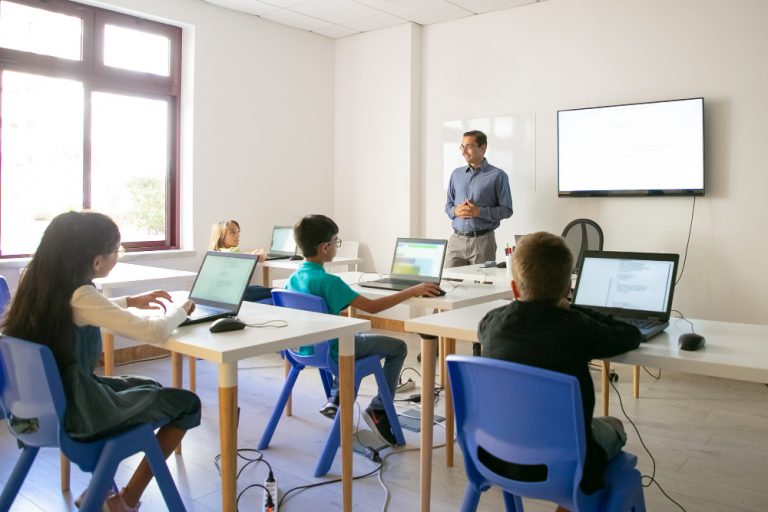
Moreover, the role of educators has also transformed with the advent of this initiative. Teachers are now facilitators of an interactive and engaging learning experience, utilizing a vast array of digital tools to enhance their teaching methodologies. NEAT 4.0 supports educators with specialized training, enabling them to effectively harness these technologies to maximize student engagement and learning outcomes. This shift empowers educators to contribute significantly to the creation of a skilled workforce, aligning educational objectives with industry expectations.
The impact of NEAT 4.0, however, goes beyond just the educational framework. It plays a crucial role in India’s broader economic growth by preparing a workforce capable of driving innovation and productivity in key industries. As more students acquire relevant skills via this platform, the ripple effect on entrepreneurship, research, and technology sectors is inevitable. The strategic focus on skill development feeds into a larger vision of positioning India as a global leader in technology and innovation.
In summary, NEAT 4.0 signifies a significant leap forward in the integration of education and technology. By focusing on industry-relevant skills, this initiative empowers Indian students and professionals to meet the challenges of the future head-on. As AICTE continues to foster collaborations with tech partners and expand its reach, the positive implications for both individuals and the nation are profound. The journey towards a digitally skilled India is well underway, and NEAT 4.0 marks a crucial step in shaping the careers of tomorrow’s leaders.