Empowering STEM education in India through digital resources is crucial, especially in this rapidly evolving digital era. The advent of technology has significantly transformed teaching methodologies, enhancing students’ learning experiences. Online tools play an instrumental role in facilitating this transformation, providing both teachers and learners with innovative resources for success. This tech-driven shift encompasses aspects of pedagogical innovations which are reforming traditional educational paradigms. With the right digital tools, STEM education can become more interactive, inclusive, and effective in fostering holistic student learning and development.
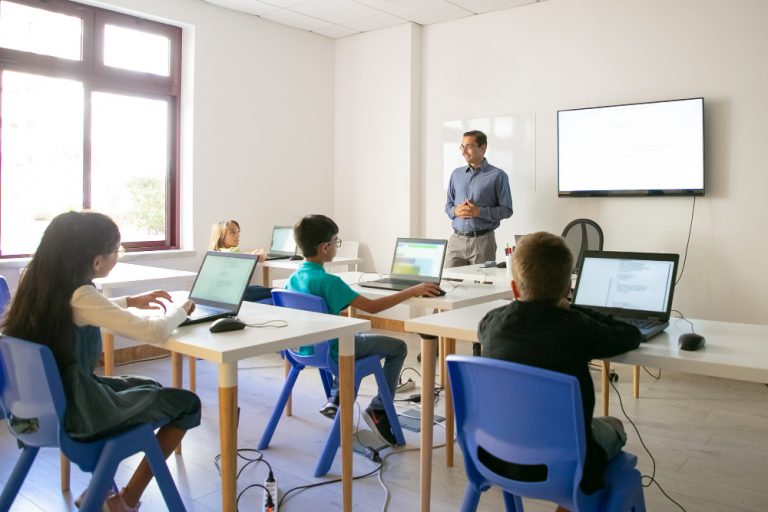
Digital transformation is reshaping Indian K12 education, making learning more flexible and personalized. Integrating technology in classrooms enables customized learning paths for students, addressing individual strengths and weaknesses. Online tools like learning management systems (LMS) facilitate seamless content delivery, tracking students’ progress in real-time. By adapting to the digital landscape, educators can effectively engage students in STEM subjects, which traditionally have been seen as challenging. This engagement is critical in nurturing a generation skilled in science, technology, engineering, and mathematics.
Interactive simulations and gamified learning platforms have revolutionized STEM education, providing experiential learning opportunities. Tools such as PhET Interactive Simulations and Kahoot make complex concepts more accessible and enjoyable for students. These platforms offer a virtual environment where learners can experiment without real-world risks, which encourages curiosity and innovation. By employing gamified elements like quizzes and challenges, students are motivated to explore and understand STEM subjects deeply. This approach significantly enhances the retention of information, ensuring long-term educational success.
Pedagogical innovations are at the heart of empowering STEM education in India, making it more engaging and effective. Flipped classrooms, a growing trend, leverage online resources for learning, allowing students to study at their own pace. This model promotes active learning, where class time is utilized for discussions and problem-solving, fostering critical thinking skills. Blended learning approaches combine digital tools with traditional teaching techniques, creating a dynamic educational experience. These innovations ensure education is not a one-size-fits-all model, catering to diverse learning needs and preferences.
Student well-being is also a critical consideration in the digital transformation of education. Incorporating mindfulness and mental health awareness into STEM curricula ensures a balanced learning environment. Digital platforms such as Headspace and Happify provide resources for stress management and emotional resilience, crucial for student success. Ensuring students’ psychological well-being enhances their ability to absorb and understand complex STEM concepts. By integrating tools that support mental health, educators can foster a nurturing environment contributing to overall academic performance.
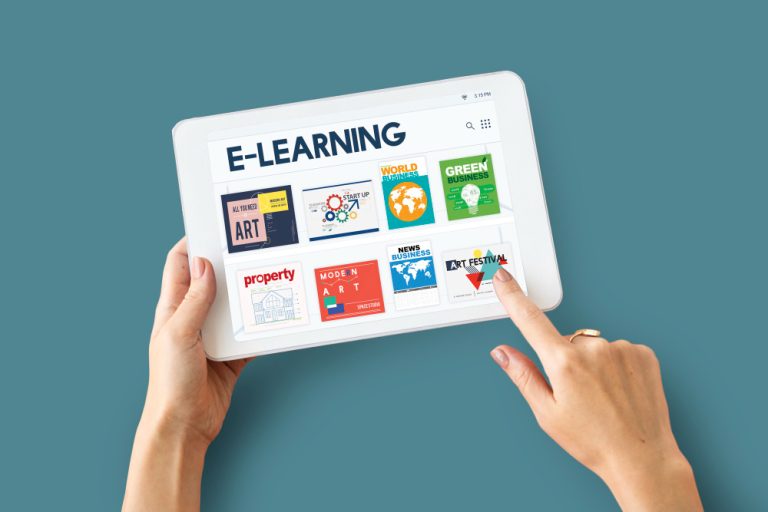
Rural and underserved communities in India benefit significantly from online STEM education tools, bridging educational gaps. Access to high-quality resources through the internet democratizes education, offering equal learning opportunities. Tools like Khan Academy and Coursera provide free or affordable courses, reaching students who might otherwise lack access to quality STEM education. This access helps mitigate traditional educational disparities, enabling students from all backgrounds to compete on an equal playing field. Empowering these communities through digital education fosters a more literate and skilled future workforce.
In conclusion, leveraging online tools for STEM education in India is pivotal in ensuring academic success and equity. By embracing digital transformation and pedagogical innovations, educators can create an engaging and supportive learning ecosystem. This concerted effort drives not only student achievement but also prepares them for a tech-centric future. Ensuring the integration of well-being tools maintains a balance, fostering holistic development. As India continues its journey toward educational excellence, these tools are essential in shaping a skilled and innovative generation.