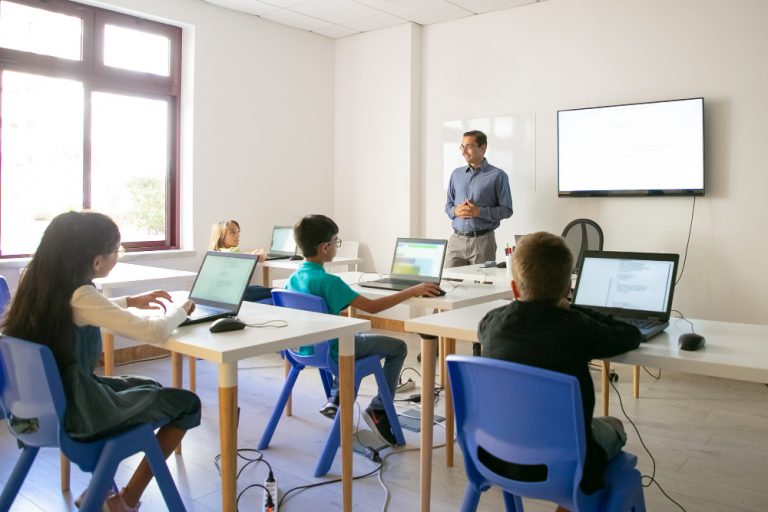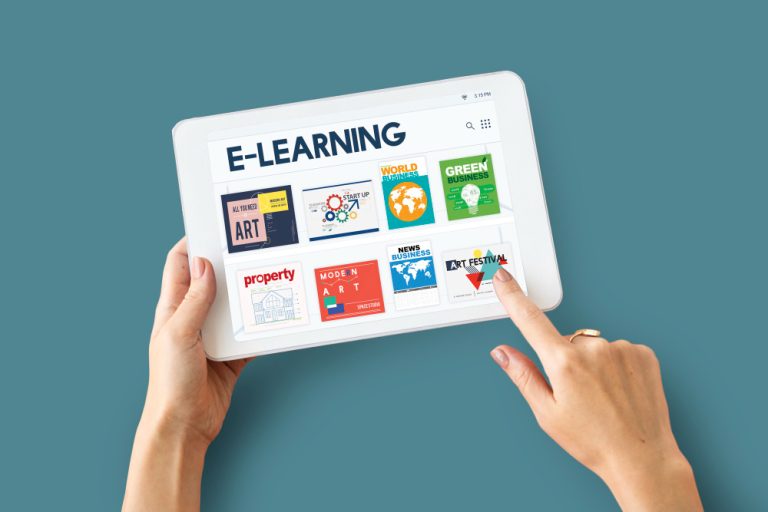
India’s digital transformation is bringing unprecedented changes to education. The integration of technology into classrooms is improving learning experiences and outcomes. As educational tools become more prevalent, students are engaging in more dynamic and interactive ways. The emphasis on digital tools signifies a shift from traditional rote learning to more interactive and collaborative methods. This shift is particularly evident in the domain of STEM (Science, Technology, Engineering, and Mathematics). The educational landscape is witnessing a remarkable evolution as online tools play a central role in reshaping how STEM subjects are taught and learned.
Incorporating technology in education caters to diverse learning styles. Students today have the advantage of accessing a vast array of resources tailored to their individual needs. This personalization ensures that each learner can engage with the material in a manner most conducive to their understanding. Online platforms provide interactive exercises, videos, and simulations that deepen comprehension. This adaptability fosters a more inclusive learning environment, addressing diverse educational requirements. Personalizing the learning experience helps in closing the gap between different student abilities, ensuring equitable educational opportunities.
Virtual labs and simulations are revolutionizing STEM education in India. Traditional laboratory setups can be costly, limiting access for many schools and students. However, virtual labs offer cost-effective solutions by simulating real-world experiments online. These platforms allow students to explore scientific concepts without the limitations of physical resources. They provide a safe space for experimentation and innovation, fostering critical thinking and problem-solving skills. By enabling hands-on experience in a virtual setting, these tools prepare students for real-world challenges in STEM fields.
Collaborative platforms are enhancing communication and teamwork skills among students. In STEM fields, collaboration is key to innovation and success. Online tools enable students to work together on projects, irrespective of geographical boundaries. Platforms such as Google Classroom and Microsoft Teams facilitate discussion, file sharing, and project management. This collaboration mirrors real-world scenarios, teaching essential skills for future careers. By collaborating on solutions to complex problems, students develop a sense of community and shared purpose, essential in any STEM discipline.
Gamification in STEM education is driving student engagement effectively. Integrating game design elements in educational content makes learning more appealing and motivating. Gamified platforms such as Kahoot! and Quizizz offer competitive yet educational experiences, turning mundane exercises into exciting challenges. Students benefit from instant feedback, enabling them to track their progress and identify areas for improvement. Gamification enhances retention and understanding by making learning both fun and educational. This innovative approach keeps students motivated, encouraging a deeper connection with STEM subjects.
Adaptive learning technologies offer customized educational experiences in STEM. Tools using artificial intelligence analyze student performance to personalize learning material. Platforms like Khan Academy adapt to individual learning speeds, ensuring that foundational concepts are well understood before progressing. These technologies identify areas of strength and weakness, providing targeted resources to address knowledge gaps. By constantly adjusting to a learner’s needs, adaptive technologies create a more effective and personalized educational journey. This ensures all students, regardless of their starting point, have the opportunity to excel in STEM.
The integration of online tools is driving equitable STEM education in India. Access to quality education is no longer limited by geographical or socioeconomic barriers. Digital platforms offer opportunities to students from various backgrounds, democratizing access to top-tier educational resources. As these tools continue to evolve, they will play an increasingly critical role in India’s STEM education landscape. They represent a shift toward a more inclusive, dynamic, and engaging learning environment. With continued investment in digital infrastructure and training, these tools will redefine the future of education.